Menopause: Key Awareness Points for Women at Tanish advanced orthopedic and women's hospital
What menopause means
Menopause is a natural stage in a woman’s life when monthly periods stop permanently due to a decline in ovarian hormone production.
Usual age range
It commonly occurs between 45 and 55 years, though the timing can vary from woman to woman.
Stages around menopause
Menopause is preceded by perimenopause (hormonal fluctuations and irregular cycles) and followed by postmenopause.
Common symptoms
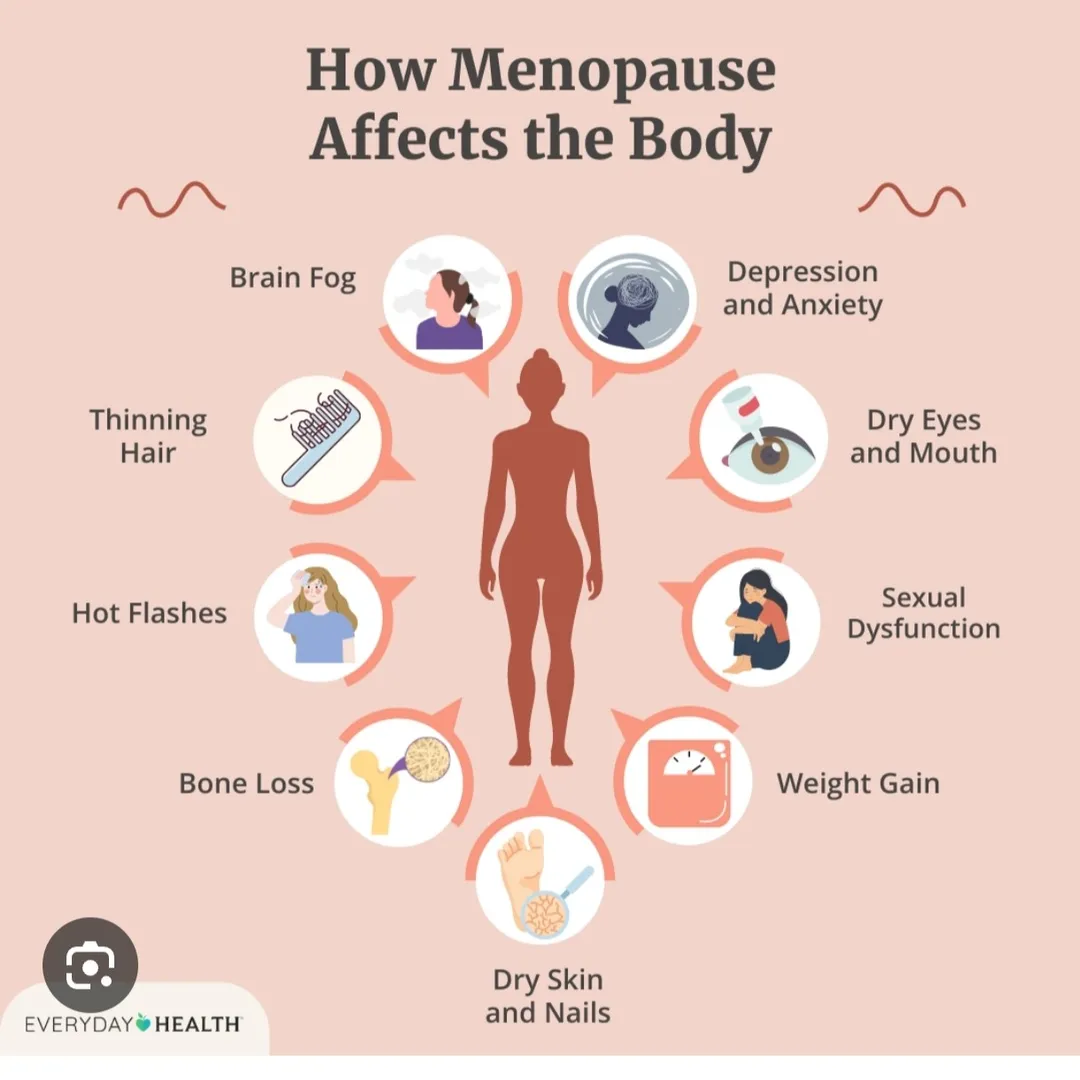
Hot flashes, night sweats, sleep disturbances, mood changes, fatigue, and reduced concentration are frequently reported.
Menstrual changes
Periods may become irregular, heavier, lighter, or spaced further apart before they stop completely.
Physical health effects
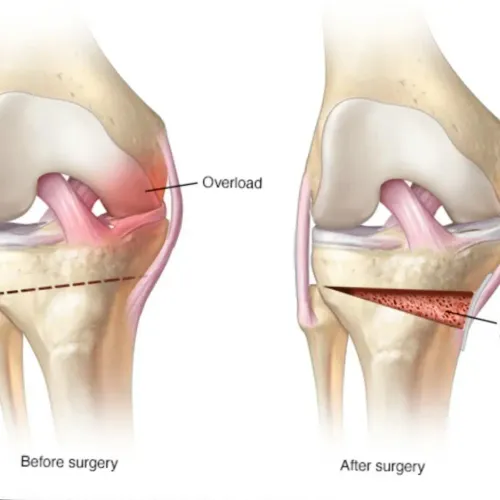
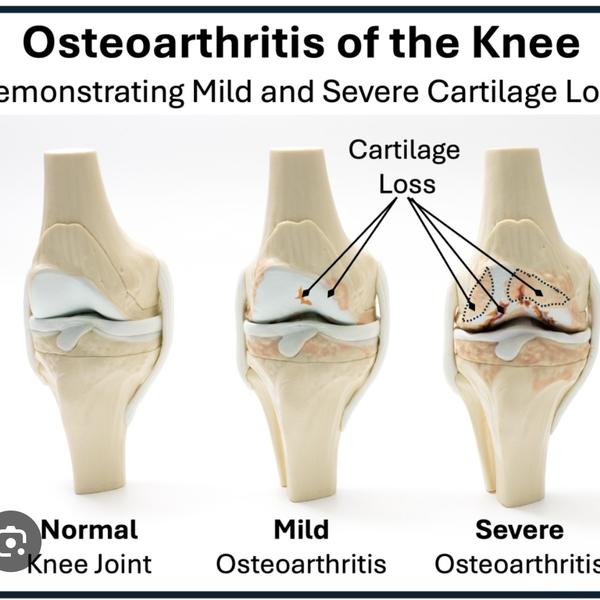
Hormonal changes can affect bone strength, joint health, skin elasticity, and body weight distribution.
Emotional and mental well-being
Anxiety, irritability, low mood, and memory lapses can occur and should be recognized as part of the transition.
Urogenital changes
Vaginal dryness, discomfort during intercourse, and urinary symptoms may develop due to reduced estrogen levels.
Long-term health risks
After menopause, the risk of osteoporosis, heart disease, and metabolic disorders may increase.
Lifestyle plays a major role
Balanced nutrition, regular physical activity, stress management, and adequate sleep help reduce symptom severity.
Treatment options are available
Hormonal and non-hormonal therapies, along with lifestyle measures, can be used based on individual needs.
Menopause is not a disease
It is a normal biological transition and should be addressed with awareness, support, and proper healthcare guidance.
Importance of medical consultation
Regular health check-ups help manage symptoms and prevent long-term complications.
Keywords